Criollo Cacao vs Common Cacao: Fine-Flavor Quality and Sourcing
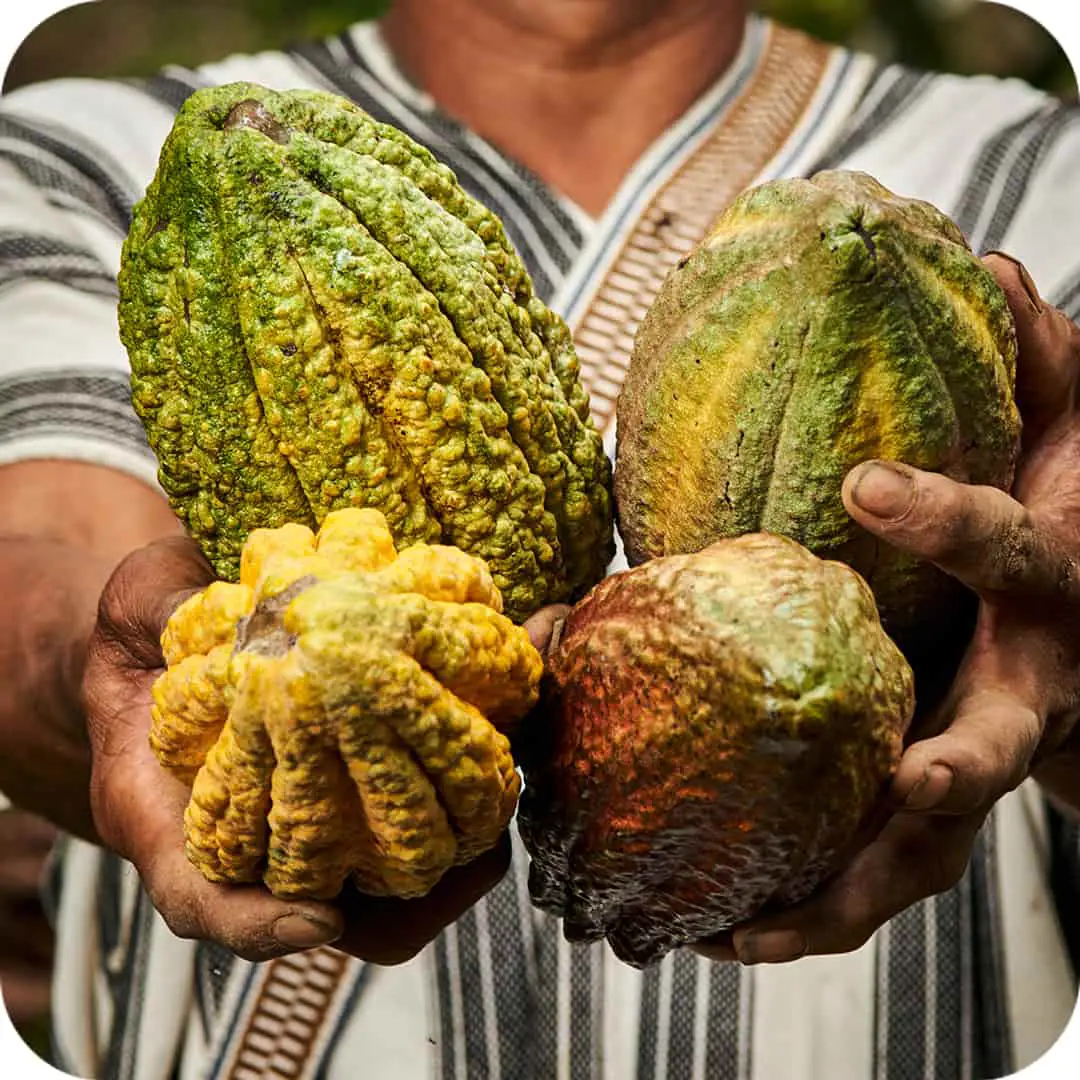
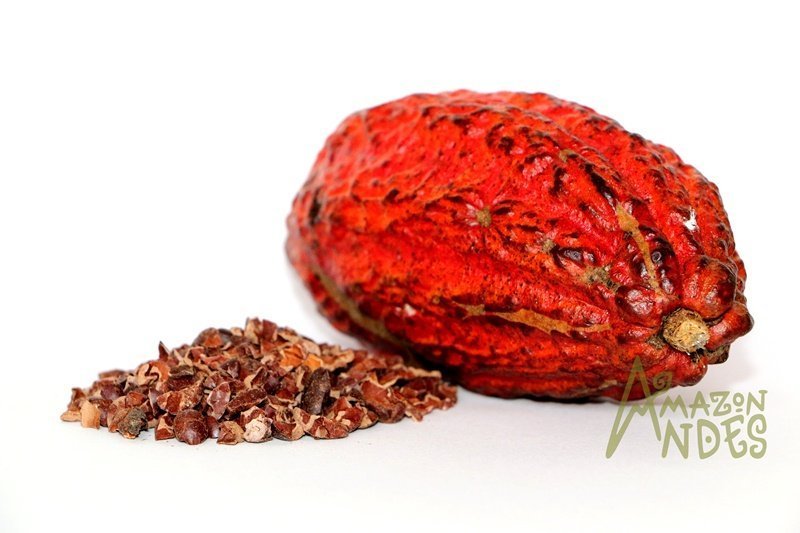
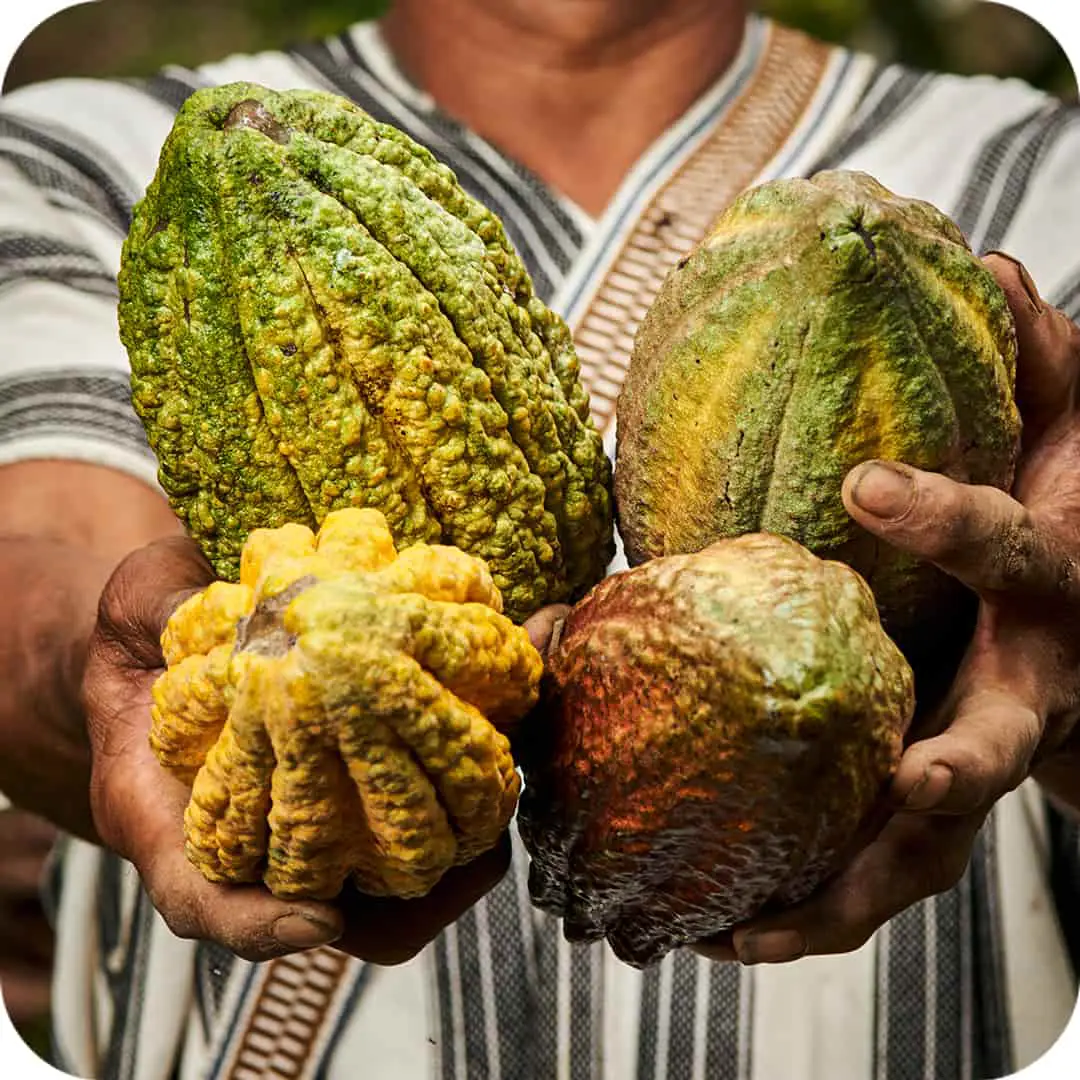
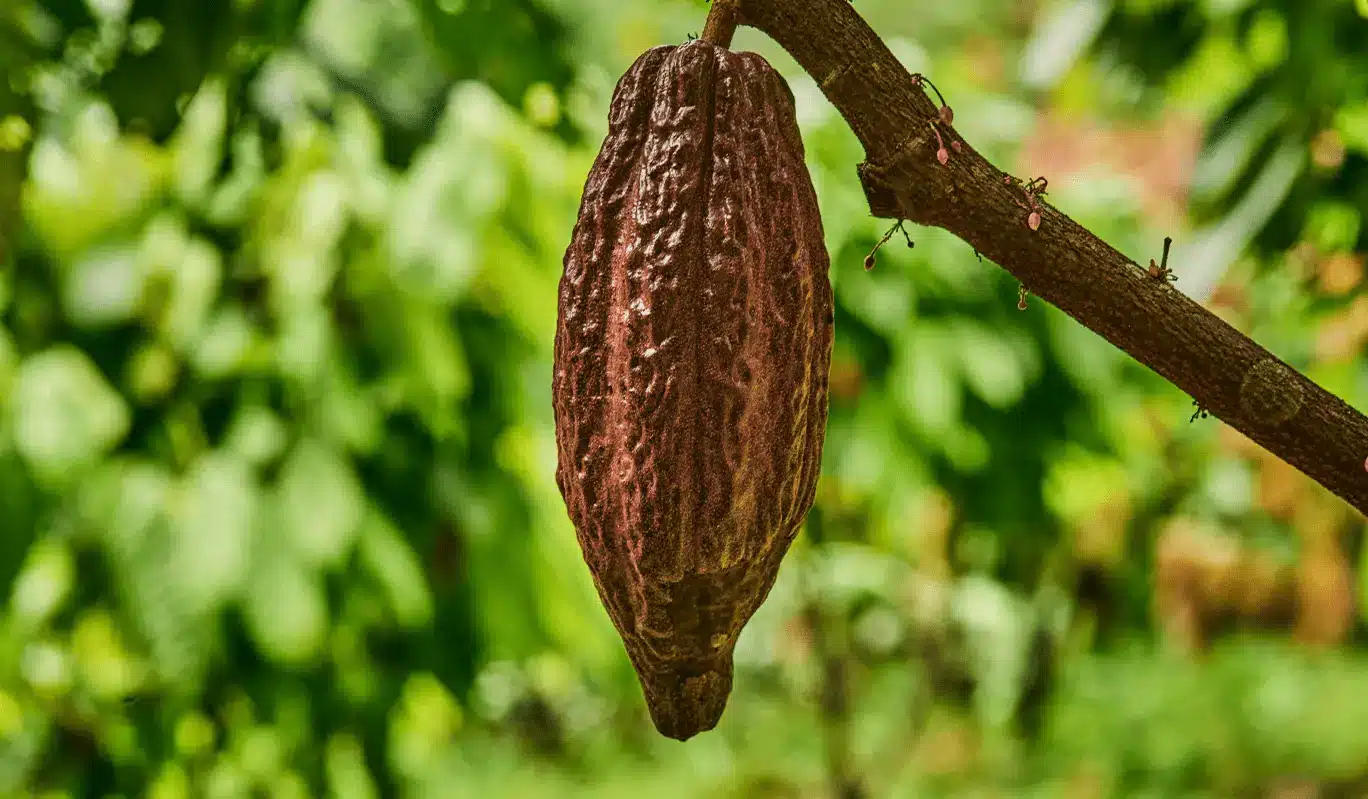
Criollo cacao is one of the oldest and most prized populations of the cacao tree (Theobroma cacao). Native to the Americas and historically cultivated from Central America down through the Andean foothills, it is known for thin-shelled beans, pale cotyledons, and a delicate, aromatic flavor with low bitterness. In commercial terms, Criollo sits at the heart of the “fine-flavor” cacao category, the small premium slice of the market that chocolate makers and specialty brands pay more to secure. This guide explains what separates Criollo and other fine-flavor cacao from common (bulk) cacao, and what that difference means for quality and sourcing.
The three genetic groups of cacao: Criollo, Forastero, and Trinitario
Cacao has traditionally been divided into three broad genetic groups, a framework still used across the trade even as modern genetics refines it:
- Criollo is the “native” cacao of the Americas: delicate and aromatic, rarely bitter, but low-yielding and vulnerable to disease. According to Perfect Daily Grind, its scarcity and higher production cost are part of why it commands premium prices.
- Forastero is the hardy, high-yielding workhorse that makes up over 80% of world cocoa production. Its beans give a powerful, full-bodied but less aromatic cocoa flavor and form the backbone of bulk cacao.
- Trinitario is a natural hybrid of Criollo and Forastero that first emerged in Trinidad. It combines much of Forastero’s robustness and body with more of Criollo’s aromatic complexity, and is widely grown as a fine-flavor type.
This three-group model is a useful simplification rather than the whole truth. Newer genetic research has identified many more distinct clusters within cacao, and many “Trinitario” plantings today carry more Forastero ancestry than their name suggests. In the Criollo vs Forastero conversation, variety labels are a starting point for quality, not a guarantee of it.
Fine-flavor vs bulk cacao, and why the distinction matters commercially
The clearest industry line runs between fine-flavor (or “fine or flavour”) cacao and bulk (ordinary) cacao. The International Cocoa Organization (ICCO) defines fine-flavor beans as those produced from Criollo or Trinitario trees, while bulk beans come from Forastero, with notable exceptions such as Ecuador’s Nacional (technically a Forastero) that yields fine-flavor cocoa. Fine-flavor cacao is characterized by a complex sensory profile of well-balanced attributes and distinctive aromatic notes, shaped by genetics, growing conditions, and post-harvest handling.
Market context: Fine or flavor cocoa accounts for only about 12% of total world cocoa bean exports, and Latin America supplies roughly 90% of it, according to the ICCO.
Commercially, that scarcity is the point. Because fine-flavor cacao is a small fraction of global volume, it is priced and traded differently from bulk commodity cocoa. Buyers who need traceable, aromatic, single-origin beans for craft chocolate, couverture, or premium consumer products are shopping in this narrow segment, where origin, variety, and consistency directly affect the value of the finished product.
Flavor and processing differences
In the cup, the contrast is real. Criollo and fine-flavor beans tend to be mildly acidic and rarely bitter, carrying secondary aromas of nuts, caramel, fruit, and tobacco. Forastero-based bulk cacao delivers a stronger, sometimes bitter or astringent cocoa punch with less aromatic nuance, which is excellent for standardized, high-volume chocolate but less so for expressive single-origin bars.
Variety, however, is only part of the story. As Perfect Daily Grind emphasizes, country of origin, climate, soil, farming practice, fermentation, drying, roasting, and conching all shape the final flavor. Fermentation and drying are especially decisive: even genetically fine cacao can taste flat or defective if it is poorly fermented, while careful post-harvest work can unlock a bean’s full aromatic potential. For buyers, this means variety and processing must be assessed together, never in isolation.
Cacao also naturally contains plant compounds such as flavanols, whose levels vary with genetics and post-harvest processing. We mention this only as a factual note on composition, not as a health claim.
Why Peru is a fine-flavor cacao origin
Peru has become one of the most important sources of native Peruvian cacao and fine-flavor beans. The ICCO classifies 75% of Peru’s cocoa exports as fine flavor, a designation shared by only a handful of origins alongside Ecuador, Colombia, and the Dominican Republic. Peer-reviewed research on northern Peruvian cacao notes that the country “has been designated a 75% producer and exporter of fine flavour cocoa,” and that the Amazonas region holds a formal designation of origin, “Fine Aroma Cacao,” based on its distinctive sensory quality (Frontiers in Ecology and Evolution).
Peru’s advantage is also genetic. The same study describes north-eastern Peru as hosting “a wide diversity and genetic variability of cacao that is under-explored,” including native and Criollo-linked germplasm. For B2B buyers, that translates into access to distinctive, traceable, single-origin lots that are difficult to replicate elsewhere.
What B2B buyers should check when sourcing Criollo and fine-flavor cacao
“Criollo” and “fine-flavor” are valuable claims, and easy to overstate. Serious buyers verify them. When evaluating a supplier or a specific lot, check:
- Variety and genetics. Ask whether beans are Criollo, Trinitario, or a native population, and how that is documented. Treat unqualified “100% Criollo” claims with healthy scepticism.
- Fermentation and post-harvest. Request fermentation protocols, drying methods, and cut-test or fermentation-index data, since these largely determine flavor quality.
- Certificate of Analysis (COA). Confirm moisture, defect counts, bean size or count, and food-safety parameters for each lot.
- Traceability. Look for origin down to region, cooperative, or farm, plus any relevant certifications.
- MOQ and consistency. Clarify minimum order quantities, lot-to-lot consistency, and the supplier’s ability to repeat a given flavor profile across harvests.
Amazon Andes works with Peruvian fine-flavor and native cacao and can share documentation on variety, fermentation, and traceability. Explore our raw materials or talk to our export desk to discuss specifications, samples, and volumes.
Frequently asked questions
Is Criollo cacao better than Forastero?
Not universally. Criollo is prized for delicate, aromatic, low-bitterness flavor and is rarer and more expensive, while Forastero is hardier, higher-yielding, and better suited to large-volume, standardized chocolate. Which is “better” depends on your product: expressive single-origin bars favor Criollo and fine-flavor types, whereas consistent bulk applications often rely on Forastero.
What is the difference between fine-flavor and bulk cacao?
Fine-flavor (fine or flavour) cacao has a complex, aromatic sensory profile and typically comes from Criollo or Trinitario trees, while bulk (ordinary) cacao is mostly Forastero and valued for volume and consistency rather than aromatic complexity. Per the ICCO, fine-flavor beans are only about 12% of world cocoa exports.
Is all Peruvian cacao Criollo?
No. Peru grows a mix of native, Criollo-linked, and Trinitario-type cacao, and roughly 75% of its exports are classified as fine flavor. Much of Peru’s fine cacao is a diverse native germplasm rather than pure Criollo, which is one reason variety documentation matters when sourcing.
Does variety alone determine chocolate quality?
No. Genetics set a bean’s potential, but origin, climate, soil, and especially fermentation and drying determine how much of that potential reaches the cup. The strongest sourcing decisions weigh variety and post-harvest handling together.