Dragon’s Blood Resin Wholesale: Sourcing, Specs & Sustainable Sangre de Grado (Croton lechleri)
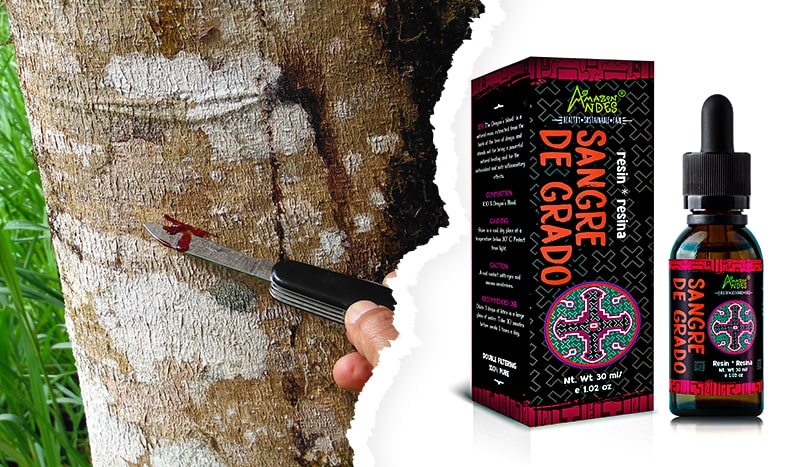
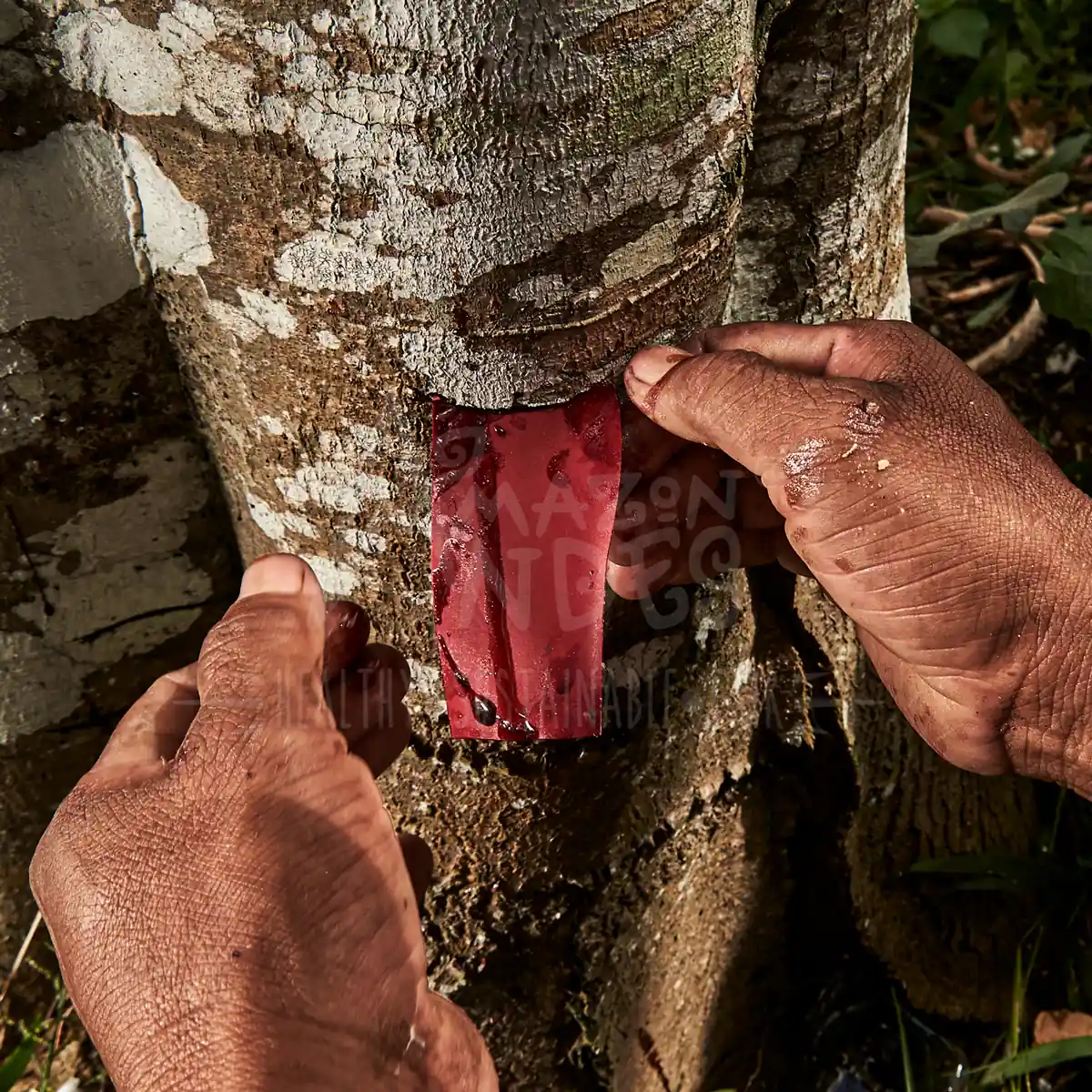
Dragon’s Blood resin — known across the Amazon as Sangre de Grado (or Sangre de Drago) — is the deep red latex that flows from the trunk of Croton lechleri, a fast-growing tree of the upper Amazon basin. When the bark is cut, a dark, sappy resin oozes out “as if the tree is bleeding,” which is where both the Spanish and English names come from, according to the Rain-Tree tropical plant database. For cosmetic and nutraceutical brands, this raw latex is a high-value botanical ingredient prized for its rich profile of proanthocyanidins and other plant compounds.
This guide is written for B2B buyers — importers, distributors, and formulators — who want to source Dragon’s Blood sap wholesale with confidence. It covers what the material actually is, how it is harvested sustainably, the specifications you should request, and the red flags that separate a reliable supplier from a risky one.
What Is Dragon’s Blood (Sangre de Grado)? Botanical Origin and Constituents
Croton lechleri is a medium-to-large tree that grows roughly 10–20 m tall in the upper Amazon regions of Peru, Ecuador, and Colombia, per the Rain-Tree database. The commercially traded product is the tree’s red latex — a viscous, water-soluble sap. It is a genuine plant exudate, not a distillate or an essential oil, and it is supplied either as a raw liquid latex or processed into a spray-dried powder.
Key Constituents
Independent references, including the U.S. National Institutes of Health’s LiverTox / NCBI Bookshelf, describe the constituents of Croton lechleri resin as including:
- Proanthocyanidins and catechins — oligomeric polyphenols associated with antioxidant activity, and the dominant fraction by mass.
- Taspine — an alkaloid studied in laboratory settings for anti-inflammatory activity.
- Dimethylcedrusine — a lignan documented in the ethnobotanical literature.
- SP-303 — a proanthocyanidin fraction; its purified form, crofelemer, has been developed as a pharmaceutical, which the NIH source notes as evidence of scientific interest in the plant’s chemistry.
- Additional compounds — phytosterols, diterpenes, tannins, and simple phenols.
As a supplier, Amazon Andes provides Sangre de Grado as a raw botanical material for formulation. We do not sell finished health products, and buyers are responsible for the claims and testing of their own end products.
Traditional and Modern Cosmetic Uses (Framed Responsibly)
In Amazonian ethnobotany, the sap has traditionally been used topically — applied to the skin — and this heritage is well documented in sources such as the Rain-Tree database and the NIH LiverTox monograph. Today, formulators are interested in Dragon’s Blood as a botanical active for skin-care concepts (serums, “second-skin” film-forming products, after-sun and soothing lines) and as a polyphenol-rich ingredient for nutraceutical positioning.
Because this is a B2B raw material, we frame it accordingly: its constituents are studied for antioxidant and skin-conditioning properties, and it has a long record of traditional topical use. We do not present it as a treatment for any disease. The NIH reference itself notes that several purported systemic effects “have not been substantiated in controlled trials in humans,” so marketing claims should be built carefully with your regulatory team and your destination market’s cosmetic or supplement rules.
How Dragon’s Blood Is Harvested: Tapping and Sustainability
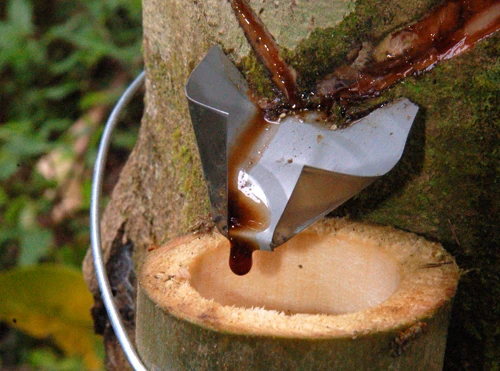
The resin is collected by wounding the trunk — making an incision or shallow cut in the bark so the red latex flows into a container beneath the cut, as described by Rain-Tree. Because the tree’s laticifers do not regenerate the way a rubber tree’s do, responsible harvest depends heavily on planning and replanting rather than repeat tapping of a single tree.
Sustainable Harvest and Traceability
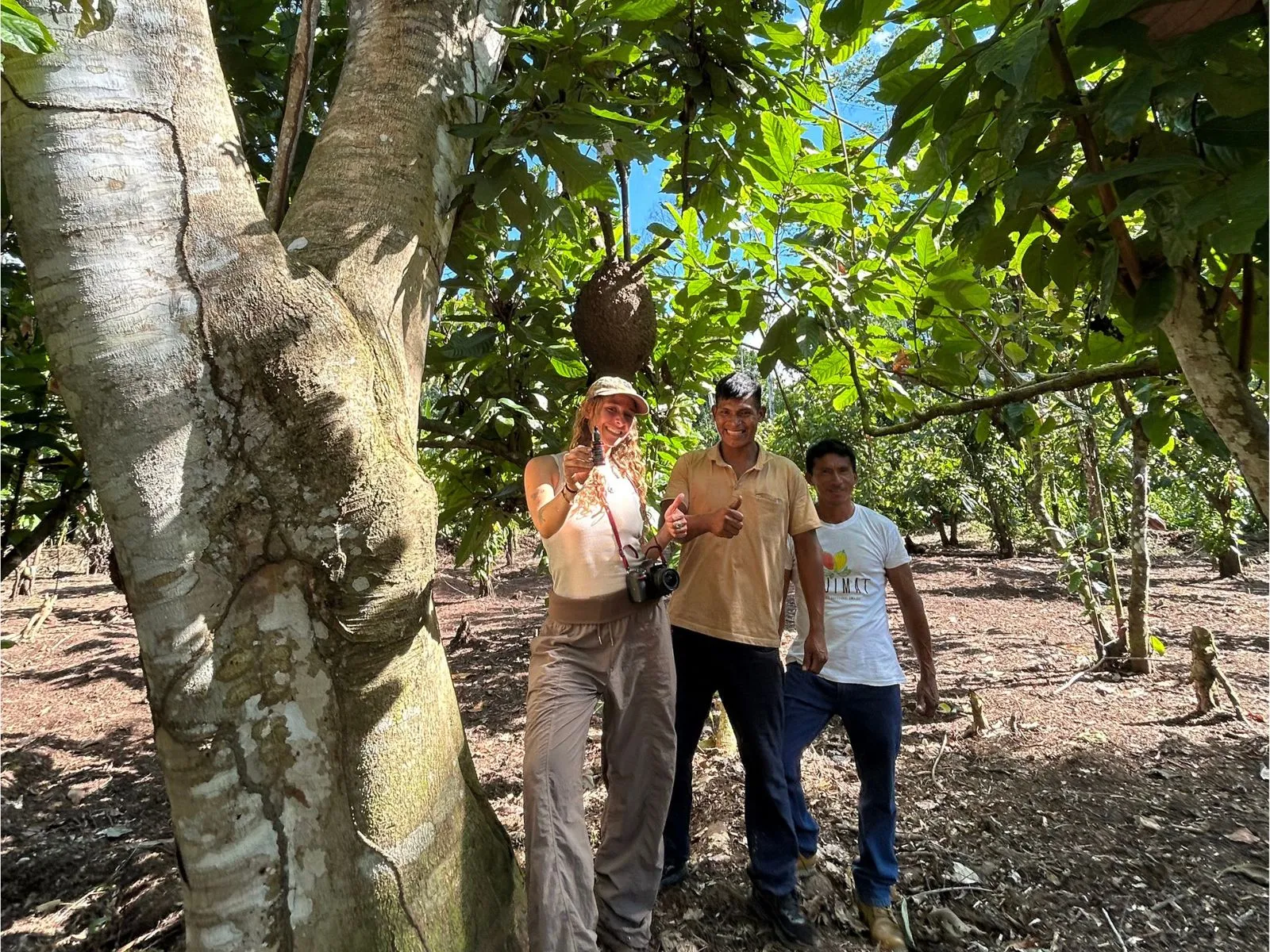
Well-managed programs treat Croton lechleri as a renewable, cultivated crop. Documentation from Jaguar Health / Napo describes the practices that define a genuinely sustainable supply chain:
- Replanting ratios — planting several trees for every tree harvested, so the resource grows rather than shrinks.
- Fast regrowth — the species grows quickly (reported at 3–4 m per year in early years), which supports viable rotation cycles.
- Agroforestry — it is intercropped with bananas, citrus, and coffee, providing shade, windbreaks, and soil enrichment.
- Community benefit — harvesting supports local and Indigenous livelihoods through fair labor practices.
For a serious buyer, sustainability is inseparable from traceability: you should be able to see where the material was collected and how the harvest was managed. Ask any supplier to document the harvest region and replanting practices before you commit to a bulk order.
What B2B Buyers Should Specify When Buying Dragon’s Blood Wholesale
Choose the Product Form
- Liquid latex (raw sap) — the closest form to the tree, sold by volume/weight; requires attention to preservation and shelf life.
- Spray-dried powder — concentrated and easier to ship, store, and standardize into formulations.
Request Full Documentation and Quality Specs
- Certificate of Analysis (COA) per lot, with identity confirmation of Croton lechleri.
- Moisture / solids content — especially relevant for liquid vs. powder consistency.
- Heavy metals (lead, arsenic, cadmium, mercury) tested to your destination market’s cosmetic or food limits. Any limit is indicative until confirmed against your regulation — verify against your own market standard rather than a supplier’s default.
- Microbiological testing (total plate count, yeast/mold, pathogens) appropriate to the intended use.
- MOQ (minimum order quantity) and lead time.
- Incoterms (e.g., FOB, CIF, EXW) so responsibility and cost at each shipping stage are clear.
- Export documentation — phytosanitary certificate, certificate of origin, commercial invoice, and any CITES/permit paperwork relevant to your import country.
Ready to spec a shipment? Talk to our export desk for a bulk quote, and explore the full range of raw materials we ship from Peru.
Quality Red Flags to Watch For
- No COA or lot traceability — a serious exporter can always document identity and origin.
- Vague botanical identity — “dragon’s blood” is used for several unrelated plants; insist on Croton lechleri specifically.
- Medical claims on the raw material — a compliant supplier sells a botanical ingredient, not a cure.
- No answer on sustainability or replanting — a signal the supply may be unmanaged wild extraction.
- Adulteration or dilution — unusually low prices or thin, off-color latex can indicate the sap has been cut with water or fillers.
Frequently Asked Questions
Is Dragon’s Blood the same as Sangre de Grado?
Yes. Sangre de Grado (also spelled Sangre de Drago) is the Spanish name for the red latex of Croton lechleri, marketed internationally as Dragon’s Blood. Note that “dragon’s blood” is also used for resins from other plant genera, so always confirm the botanical species.
Do you sell Dragon’s Blood as liquid or powder?
Both forms are available. Liquid latex is closest to the tree and ideal for buyers who want the raw exudate; spray-dried powder is easier to ship and standardize. Your choice depends on your formulation, shelf-life needs, and logistics. Our export desk can advise on the best form for your application.
Can I make skin-care or health claims with it?
We supply Croton lechleri as a botanical raw material only. Its constituents are studied for antioxidant and skin-conditioning properties and it has a long tradition of topical use, but any product claim is your responsibility and must comply with your destination market’s cosmetic or supplement regulations.
How do you ensure sustainable and traceable sourcing?
We prioritize managed harvest with replanting and documented collection regions, in line with the sustainability practices described for the species by Jaguar Health / Napo. Every bulk order ships with a COA and export documentation so you can verify identity and origin.